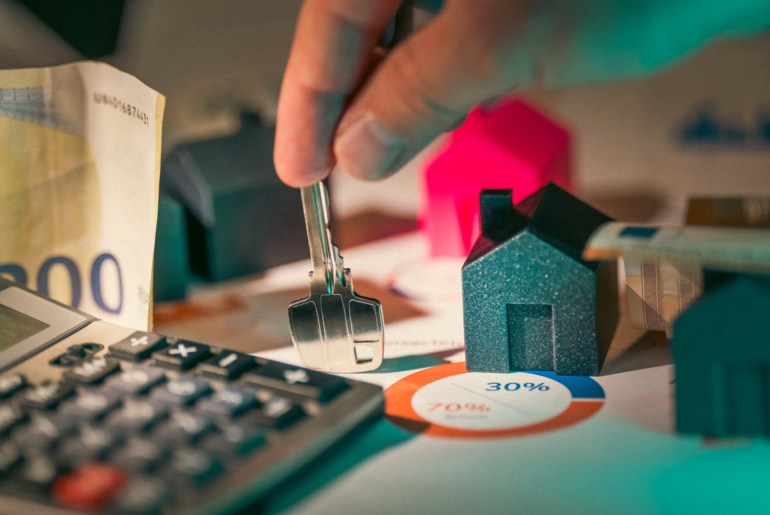
Real estate investment can build wealth, but the entry costs, financing limits and operating risks often surprise first-time buyers. A promising purchase must work as a business asset, which means its income or resale value needs to cover financing, repairs, taxes and other ownership costs. Before submitting an offer, set a clear strategy and test the numbers under less favorable conditions. Current real estate investment strategies range from long-term rentals to renovation projects, and each requires a different mix of cash, time and risk tolerance. Beyond Conventional Mortgages A conventional mortgage may suit a move-in-ready rental, but its approval process can become an obstacle when a property needs major repairs or must close quickly. Lenders commonly review the borrower’s income, credit, existing debts and the property’s current condition. An investment property may also require a larger down payment than a primary residence. Other options include private financing, bridge loans and…

Keep Your Household Afloat During a Sudden Crisis
A sudden loss of income can turn ordinary household bills into urgent problems within days. Medical leave, an accident, or a delayed legal settlement may leave you trying to cover housing and groceries with far less money than usual. A clear crisis budget helps you protect basic needs while you explore temporary sources of support. Start with the bills that affect daily stability, then contact providers before due dates pass. Prioritize Immediate Living Costs List the expenses required to keep your household safe and functioning for the next 30 days. Housing, food, essential medication, transportation, and basic insurance usually belong at the top. The National Low Income Housing Coalition reports that short-term financial assistance can improve housing stability, which shows why rent or mortgage payments deserve early attention. Next, build a survival budget with only income you know will arrive. If you have $2,000 available and essential costs total $1,850,…
The Business of Comfort: Selecting the Best Hotel Quality Duvets for Long-Term Value
A hotel duvet has to satisfy two very different demands: it should feel inviting to guests and stand up to the daily pressures of a commercial property. Price matters, but the cheapest option can become expensive once laundering, replacement rates and housekeeping time enter the calculation. A smart purchasing decision starts with the conditions inside your property. Room temperature, guest profile, laundry arrangements and bed sizes all affect which duvet will deliver the best long-term value. Looking beyond the initial invoice helps you find bedding that stays comfortable, presentable and practical throughout its working life. Define what comfort means for your property Comfort can be difficult to measure because guests have different sleep preferences. One person may love a thick, cozy duvet while another finds the same bedding far too warm. Hotels need a reliable middle ground that works across most rooms and seasons. Start with room conditions. A well-insulated…
How to Redesign Your Living Space After a Split
A home can feel unfamiliar after a relationship ends, even when you’ve lived there for years. Shared routines disappear, furniture may move out and once-neutral rooms can carry emotional weight. Redesigning gives you a practical way to support the life you have now. You don’t need a full renovation or an entirely new decorating style. Start with how you use each room, settle ownership questions and make a few thoughtful changes that bring comfort back into your space. Assess Your Daily Spatial Needs Walk through a normal weekday and notice where your home creates friction. Perhaps the dining table has become your work area, the bedroom lacks useful storage or a rarely used guest room could serve as a reading nook. Write down the activities each room needs to support, then arrange furniture around those needs. The process of reclaiming your space can begin with something as simple as moving…
What Really Happens Before Breaking Ground on a Build
The work completed before construction starts often determines whether a project stays on budget, meets its deadlines and delivers the expected result. Long before crews arrive on site, project teams assess designs, clarify responsibilities and test assumptions about cost, access and approvals. This early effort may feel less visible than the build itself, but it’s where many expensive problems can be identified while they’re still relatively simple to fix. The Pre-Construction Phase Decoded Pre-construction turns an initial concept into a practical plan that designers, contractors and clients can follow. A typical pre-construction phase covers site investigations, design reviews, cost planning, scheduling, procurement and risk assessment. Teams also examine how workers, materials and equipment will move through the site. Consider a commercial project with limited street access. Early logistics planning may reveal that large deliveries can only occur outside peak hours. That detail affects supplier arrangements, labour schedules and council conditions.…
Smart Exterior Design Choices That Keep Your Home Secure
A secure home exterior starts with a simple idea: make entrances easy to see, paths comfortable to use, and garden features difficult to hide behind. These choices can improve everyday safety without making your property feel unwelcoming. Many of them also support better street appeal, from well-placed lighting to neatly maintained planting. Before changing anything, walk from the footpath to your front door during daylight and again after dark. That quick check will reveal blocked views, gloomy corners and privacy features that may need adjusting. Clear Sightlines from Porch to Street Stand at your front door and check how much of the porch, driveway, front gate and street you can see. Trim shrubs that block windows, move large pots away from entry points and keep tree canopies above eye level where practical. Visitors should also be able to spot the front door easily instead of wandering around the side of…
The Ultimate Guide to an Organized Move
An organized move starts with a clear schedule, fewer belongings and a packing system you can follow when life gets busy. Instead of tackling the entire house at once, break the work into smaller decisions tied to specific dates. A detailed moving checklist can help you track early tasks such as gathering supplies, transferring records and confirming moving-day arrangements. Keep your plan somewhere everyone in the household can see it, then update it as tasks are completed. Planning Your Move Timeline Start planning six to eight weeks before moving day if your schedule allows. During the first two weeks, confirm your moving date, create a simple budget and measure large furniture to see what will fit in the new home. Reserve movers or a rental vehicle early, especially if you’re moving during summer or at the end of the month. Use the final month for packing and household paperwork. Aim…
Sustainable Living: Reducing Water Waste at Home
Small changes to everyday routines can cut household water waste without making your home less comfortable. The biggest savings often come from fixing leaks, updating inefficient fixtures and paying closer attention to when water runs unnecessarily. These improvements can also lower utility costs, reduce strain on water supplies and limit the energy used to heat water. Start with the areas that use the most water, then work through less obvious sources indoors and outside. Why Water Conservation Matters Every gallon delivered to a home must be collected, treated and pumped, then treated again after it enters the wastewater system. Hot water requires even more energy. Using less water therefore reduces both household bills and the environmental impact tied to treatment and heating. The EPA’s water-saving guidance recommends simple habits such as turning off the faucet while brushing your teeth and running dishwashers only when full. Shower and bath habits deserve…
Financial Freedom Through Smart Property Investment
Property investment can build financial security when each purchase is guided by realistic numbers, a clear income plan, and enough cash to handle surprises. A well-chosen rental may provide monthly income while gaining value over time, but results depend on the price you pay and the way you operate the property. Before committing, decide what financial freedom means to you, such as replacing part of your salary, funding retirement, or creating more flexibility in your budget. Building Wealth with Real Estate Start by choosing an investment model that fits your finances and available time. Common real estate investing strategies include long-term rentals, property funds, and purchasing homes that need improvements. Each option carries different costs, workloads, and income potential. For a rental purchase, calculate expected returns before touring properties. Estimate the monthly rent, then subtract financing costs, taxes, insurance, routine maintenance, and a vacancy allowance. A home that rents for…
Creating a Healthy Home Environment
Your home should be a sanctuary where you can relax, recharge, and feel at ease. A healthy home is about more than appearance; it can also support your physical and mental well-being. From the air you breathe to the space around you, small, intentional changes can make a meaningful difference without requiring an expensive overhaul. Air Quality and Ventilation We often worry about pollution outside, but the air inside our homes can be just as compromised. Dust, pet dander, volatile organic compounds (VOCs) from cleaning supplies and furniture, and cooking fumes can all build up indoors. Poor air quality can lead to allergies, asthma, and general fatigue. One of the easiest ways to fight this is through regular ventilation. Open your windows for at least 15 minutes each day, even when it’s cooler, to let fresh air circulate and push stale air out. For a more consistent solution, think about…