
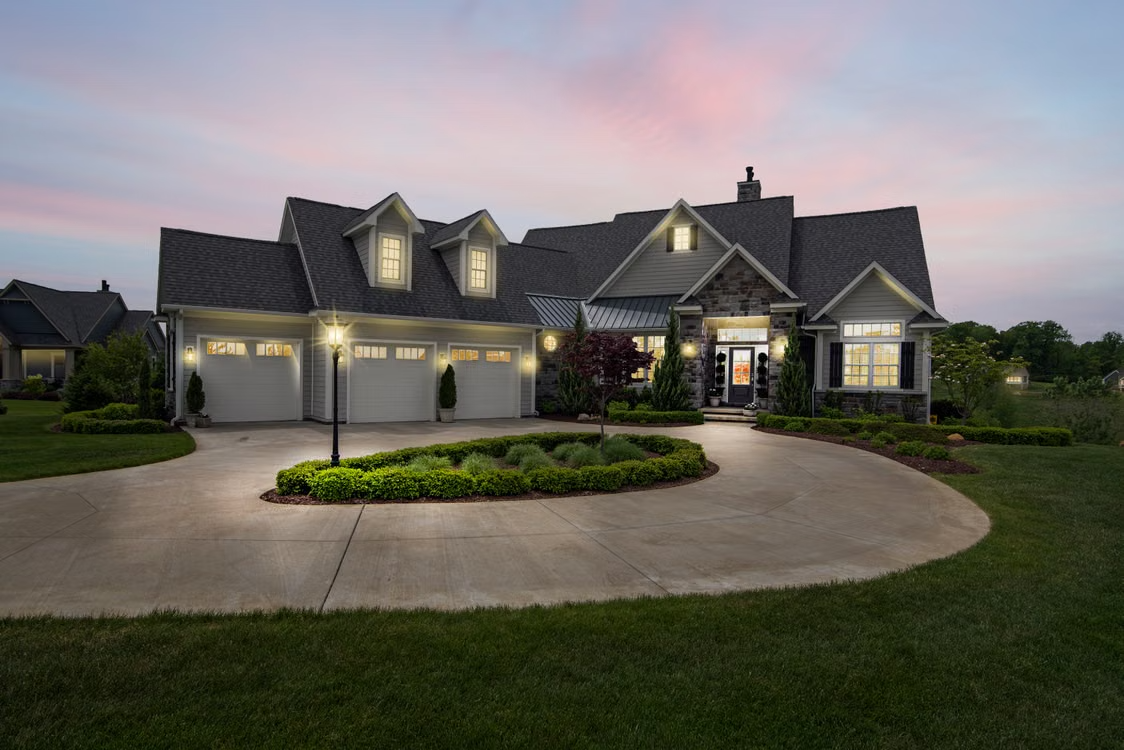
A secure home exterior starts with a simple idea: make entrances easy to see, paths comfortable to use, and garden features difficult to hide behind. These choices can improve everyday safety without making your property feel unwelcoming. Many of them also support better street appeal, from well-placed lighting to neatly maintained planting. Before changing anything, walk from the footpath to your front door during daylight and again after dark. That quick check will reveal blocked views, gloomy corners and privacy features that may need adjusting.
Clear Sightlines from Porch to Street
Stand at your front door and check how much of the porch, driveway, front gate and street you can see. Trim shrubs that block windows, move large pots away from entry points and keep tree canopies above eye level where practical. Visitors should also be able to spot the front door easily instead of wandering around the side of the house.
These simple checks reflect ideas used in CPTED or Crime Prevention Through Environmental Design. For larger developments, public facilities and commercial projects, a formal CPTED assessment can examine sightlines, access, lighting and landscaping to identify design changes that may improve safety and community wellbeing. At home, you can apply the same general thinking by checking views from several positions, including the kitchen window, porch and driveway. Repeat the check whenever plants mature, or outdoor features move.
Strategic Lighting for Pathways and Entries
Light the route people actually take, starting at the front boundary and continuing towards the entry. Low-level path lights can show changes in direction, while a covered fitting near the front door helps you identify visitors and find your keys. Aim fittings downwards to reduce glare through windows and avoid creating harsh pools of brightness beside deep shadow.
A practical home security checklist can help you review exterior lighting alongside other basic measures for protecting your property. Good outdoor security lighting should cover doors, steps and side access points without flooding the entire property. Motion sensors suit occasional-use areas, while timers or dusk-to-dawn controls provide steady coverage near the main entrance. For a softer result, follow attractive security lighting ideas such as warm-coloured fittings and layered illumination. Test each light after dark and adjust its angle if it shines into neighbouring homes.
Applying CPTED Principles to Your Garden
Design the garden so it supports visibility and clearly marks the transition from public space to private space. A low hedge, change in paving or small gate can define the front boundary while preserving a view towards the street. Place taller plants against solid walls or in areas where they won’t conceal doors, windows or narrow side paths.
Maintenance matters as much as the initial layout. Overgrown branches, broken lights and an overflowing letterbox can suggest that an area receives little attention. Set a seasonal reminder to prune growth, replace failed globes and check that house numbers remain visible from the road. If you’re adding a shed, screen or pergola, view its proposed position from inside the home first. A small shift may prevent it from blocking a useful sightline.
Balancing Privacy with Natural Visibility
Privacy screens work best when they protect specific areas without sealing off the whole frontage. Use slatted panels beside a sitting area, sheer window coverings during the day or layered plants with gaps between branches. These options limit direct views into living spaces while allowing you to notice movement near the gate or porch.
Consider the height and density of every new screen. A solid structure beside the driveway could block your view of pedestrians as you reverse, while a tall front fence may hide parcels and visitors from the house. Open-style fencing, spaced battens and lower planting often provide a practical middle ground. Check local planning requirements before changing fences or boundary structures, especially on corner blocks where clear views can affect people using the footpath.
Your final check should happen after sunset, when blocked views and uneven lighting become easier to spot. Walk the approach as a guest would, then make small adjustments until the front door, house number and pathway are clear from the street.





Comments are closed.