
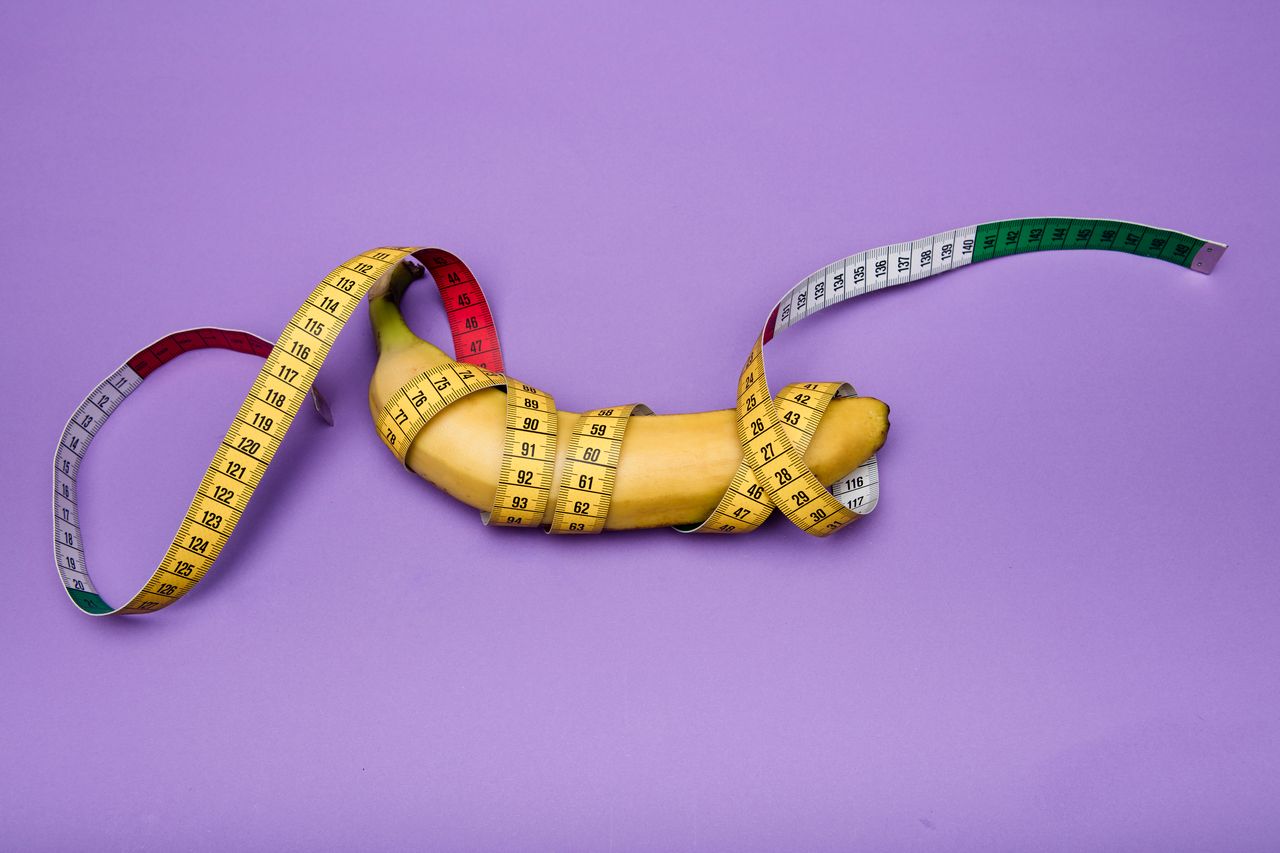
A healthy routine can improve strength, energy, and overall body composition, yet some fat deposits may remain surprisingly resistant. This can feel discouraging when your habits are consistent, and your weight has stabilized. The explanation often lies in biology, and not a lack of effort. Understanding how genetics, hormones, and fat cells affect body shape can help you set realistic goals and decide what steps make sense for you.
Understanding Genetic Fat Distribution
Your genes influence where your body stores fat and which areas shrink first during weight loss. Some people carry more around the hips and thighs, while others notice greater storage around the abdomen or upper arms. Sex hormones, age, and changes such as pregnancy or menopause can also shift these patterns.
The science of body fat distribution explains why two people at the same weight may have very different proportions. If your measurements and weight have remained stable for several months, a persistent pocket may simply reflect your natural structure. Track progress with monthly measurements, consistent photos, and the fit of your clothes instead of relying only on the scale.
The Limits of Spot Reduction
Exercises can strengthen a specific muscle, but they can’t reliably direct your body to burn the fat sitting above it. Hundreds of crunches may build stronger abdominal muscles without creating a visible change in the surrounding layer. Your body releases stored energy according to genetics, hormones, and overall energy needs.
Evidence on targeted weight loss supports a whole-body plan that combines resistance training, cardiovascular activity and sustainable nutrition. Give a consistent routine at least several months before judging the result. Also review sleep, stress, and medication changes with a qualified health professional because each can affect appetite, recovery, and weight patterns.
Where Targeted Liposuction Fits In
For someone near a stable weight who still has a localized fat deposit, liposuction may be considered a body-contouring procedure. It removes fat cells from selected areas to adjust shape and proportion. However, it doesn’t treat obesity, replace exercise, or guarantee a specific clothing size.
A consultation should include your medical history, current medications, desired outcome, and the surgeon’s credentials. Ask which technique is proposed, where incisions may be placed, and what recovery restrictions apply. You should also discuss swelling, bruising, contour irregularities, scarring, and other potential complications. A qualified plastic surgeon can explain whether your skin elasticity and anatomy support the result you have in mind.
Maintaining Your Shape Over Time
Removed fat cells don’t grow back, but the remaining cells can expand if your weight increases. Significant weight changes may also alter proportions in treated and untreated areas. Aim for a routine you can keep through busy weeks, travel, and seasonal schedule changes.
Build meals around protein, produce and satisfying high-fiber foods, then add activity that supports both cardiovascular fitness and muscle. After a procedure, follow the surgeon’s instructions about compression garments, incision care, and the timing of exercise. Swelling can take weeks or months to settle, so early appearance isn’t the final result.
Stable habits offer the best foundation for long-term body contour, while realistic expectations protect you from chasing constant adjustments. If one area still concerns you after your weight and routine have remained steady, bring clear photos, health information, and specific questions to a board-certified plastic surgeon.








Comments are closed.