
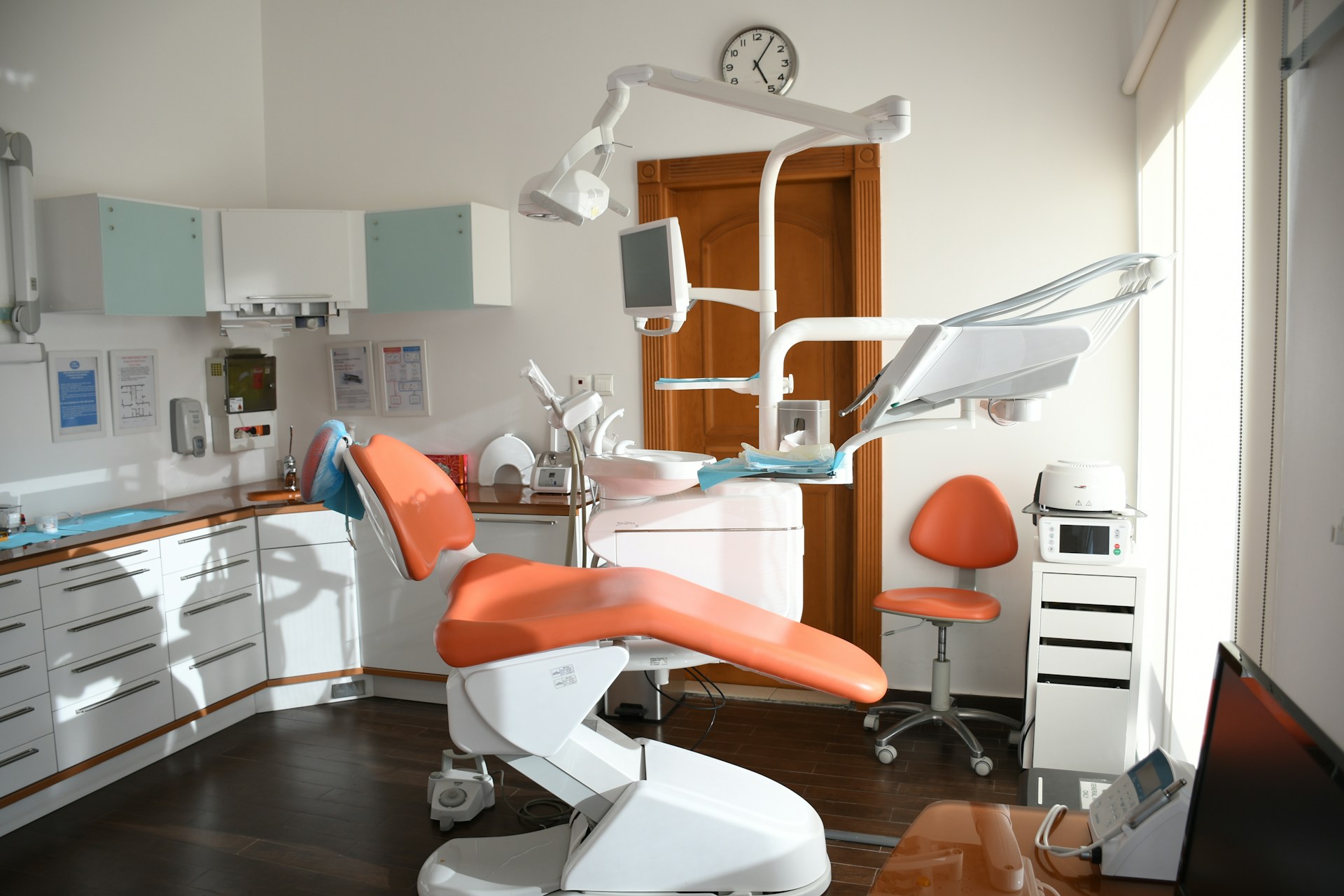
Modern dental care can repair damaged or missing teeth while keeping the result natural-looking and comfortable. The best treatment plan balances appearance, function, and long-term maintenance instead of focusing on color or shape alone. Principles of aesthetic restorative dentistry help dentists consider how each restoration fits the patient’s bite, facial features and remaining teeth.
Since every mouth presents different needs, the most suitable option depends on factors such as bone support, gum health and the amount of healthy tooth structure available. Understanding those factors will help you ask better questions during a consultation.
Start with the health of your smile
A cosmetic concern may point to an underlying dental problem. A chipped tooth, for example, could result from an accident, decay, or repeated pressure from grinding. Covering it without addressing the cause may shorten the life of the restoration.
Your dentist should begin with an oral health assessment of your teeth, gums and bite. X-rays or digital scans may also be needed to examine roots and supporting bone. Share any history of sensitivity, jaw discomfort or nighttime grinding. These details can affect material selection and treatment design, especially when a restoration will receive heavy chewing pressure.
Match the solution to the problem
Long-term restorative care ranges from conservative repairs to full tooth replacement. Small areas of damage may be treated with tooth-colored bonding or fillings. Veneers can improve the visible surface of certain teeth, while crowns cover teeth weakened by large fillings, fractures, or extensive decay.
When a tooth can’t be saved, dental implants may be considered as a replacement option for eligible patients. An implant requires adequate bone and healthy gum tissue, so candidacy depends on a clinical evaluation. Bridges and removable appliances may also be appropriate in some cases. Ask your provider to explain why a proposed treatment fits your condition and what alternatives could produce a predictable result.
Look beyond the first appointment
Treatment time varies widely. Dental bonding may be completed during one visit, while crowns often require preparation, impressions or scans, and a later placement appointment. Implant treatment can take several months when healing time or bone grafting is necessary.
The first appointment is only one part of the commitment. Ask how many visits you’ll need, what temporary restoration will be used, and how recovery could affect meals or work. You should also learn what happens if the restoration chips, loosens or needs adjustment. A clear schedule makes it easier to plan for both the procedure and the follow-up care that supports a stable outcome.
Compare materials and expected longevity
Porcelain, composite resin, and zirconia have different strengths, appearances, and maintenance needs. Porcelain can closely mimic natural enamel, while zirconia is often selected for areas that need added strength. Composite resin allows conservative repairs but may stain or wear sooner in some situations.
No material lasts forever. Its service life depends on placement, bite pressure, hygiene habits, and the quality of the supporting tooth or bone. Instead of relying on a single longevity estimate, ask what commonly causes that particular restoration to fail. A person who grinds their teeth may need a protective night guard, while someone with gum disease may require more frequent professional cleanings.
Consider the full cost of ownership
The lowest initial price may not represent the lowest long-term cost. A restoration that needs frequent polishing, repair, or replacement can require more appointments and higher cumulative spending. Request a written treatment plan showing the procedure, material, follow-up schedule and likely maintenance.
Insurance coverage may depend on whether a service is considered restorative or primarily cosmetic. Confirm benefits directly with your insurer and ask the dental office which fees fall outside the estimate. If you’re comparing plans, make sure they address the same clinical problem. A veneer, crown and replacement tooth serve different purposes, so price comparisons only make sense when the options offer similar function and durability.
Protect the finished result
Daily care has a direct effect on how a restoration ages. Brush twice a day with a soft-bristled toothbrush, clean between the teeth, and follow the specific instructions given for your restoration. Implant-supported teeth still need careful cleaning around the gumline, while crowns and bridges require attention at their edges and beneath connected replacement teeth.
Keep scheduled examinations even when everything feels comfortable. Dentists can spot small chips, bite changes, or early gum inflammation before they develop into more complicated problems. The most dependable restorative plan is one you can maintain consistently, with materials suited to your bite and a follow-up schedule that catches wear early.







Comments are closed.