
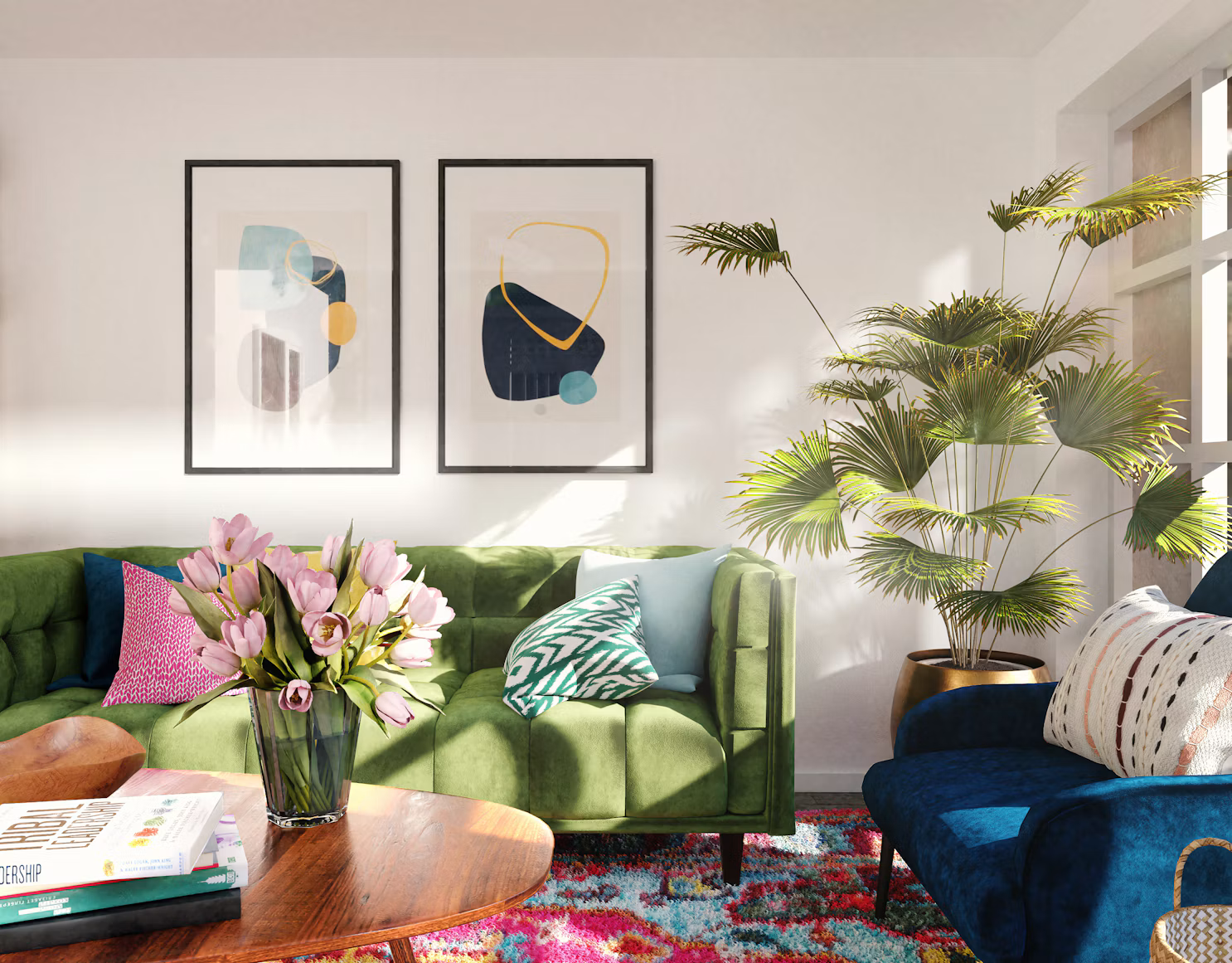
A home can feel unfamiliar after a relationship ends, even when you’ve lived there for years. Shared routines disappear, furniture may move out and once-neutral rooms can carry emotional weight. Redesigning gives you a practical way to support the life you have now. You don’t need a full renovation or an entirely new decorating style. Start with how you use each room, settle ownership questions and make a few thoughtful changes that bring comfort back into your space.
Assess Your Daily Spatial Needs
Walk through a normal weekday and notice where your home creates friction. Perhaps the dining table has become your work area, the bedroom lacks useful storage or a rarely used guest room could serve as a reading nook. Write down the activities each room needs to support, then arrange furniture around those needs.
The process of reclaiming your space can begin with something as simple as moving a chair or changing which side of the closet you use. Before buying anything, try a temporary layout for one week. Pay attention to lighting, walking paths and where clutter gathers. Those observations will tell you more than a perfectly styled inspiration photo.
What Belongings Are Truly Yours?
Sort belongings into four clear groups: yours, your former partner’s, shared items and objects whose ownership remains uncertain. Photograph shared valuables and keep a written inventory before moving or donating anything. Sentimental items deserve the same careful treatment as furniture, especially if children or extended family members have a connection to them.
Property questions may depend on agreements and local law. Fort Wayne couples pursuing a cooperative divorce can seek legal guidance on property and debt division before making permanent decisions. Once ownership is settled, keep pieces you genuinely use or love. You don’t have to display an item simply because it stayed behind. Box emotionally difficult objects and revisit them after 30 days.
Calming Colors for Restful Rooms
Choose colors based on how you want a room to function. Soft blues, muted greens and warm off-whites often suit bedrooms because they create a quieter visual field. Earthy clay, pale yellow or gentle peach can give a living room more warmth. Test paint samples on two walls and view them in morning light, afternoon sun and lamplight before committing.
You can also introduce color through washable covers, curtains or a large rug if painting feels too permanent. Advice on post-split home design emphasizes creating a space that reflects your present identity. Pick two main colors and one smaller accent shade to keep the room cohesive without making it feel overly coordinated.
Small Upgrades With Lasting Impact
Focus first on items you touch every day. Fresh bedding, softer lighting and a comfortable place to sit can change how a room feels without requiring major construction. Replace bulbs that cast harsh light, repair a sticking drawer and hang art at eye level. Plants or fresh branches can also add life to an empty corner.
Set a realistic budget before shopping, then spend more on pieces that solve recurring problems. A bedside lamp with easy controls may be more useful than decorative accessories, while closed storage can calm a busy entryway. This guide to small home upgrades offers more ideas for making everyday routines feel easier. Leave some open space so your home has room to evolve.
Your redesigned space doesn’t need to erase every trace of the past. It should help you sleep well, find what you need and feel comfortable inviting someone over for coffee. When the practical work is finished, add one object chosen only for you, such as a framed print, a cozy throw or a lamp you’ve always liked. That personal choice can make the room feel settled again.





Comments are closed.