
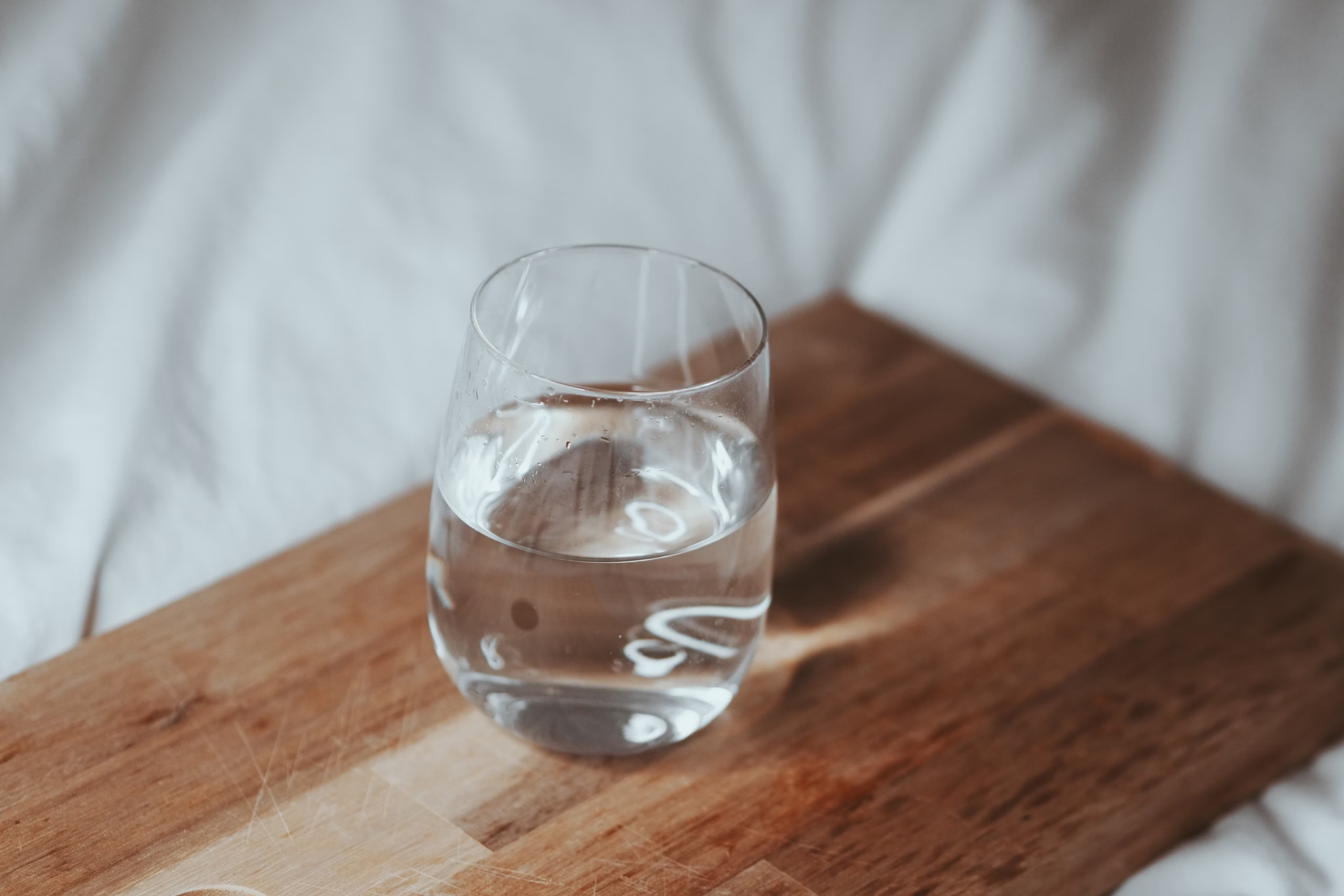
A full glass of water right before bed may seem healthy, but it can interrupt the sleep your body needs. Adjusting when and how much you drink can help you stay comfortably hydrated without making repeated trips to the bathroom. The key is to spread fluids across the day, pay attention to thirst, and make small changes based on your schedule, activity level, and health needs.
Why Timing Your Water Intake Matters
Your kidneys continue producing urine while you sleep, though the body normally slows that process overnight. Drinking a large amount close to bedtime gives your body more fluid to process and may fill your bladder before morning.
General advice about water before bed recommends balancing hydration with the effect late fluids can have on sleep. A small drink may ease a dry mouth, especially after exercise or in a warm room. A large bottle can create a different result. For example, finishing 16 ounces at 10 p.m. and going to bed at 10:30 gives your body little time to handle that fluid while you’re awake.
The Danger of Evening Overhydration
Repeated bathroom trips can fragment your sleep, leaving you tired even after spending eight hours in bed. They may also increase the risk of falls if you have to walk through a dark room while groggy. Keep a clear path to the bathroom and use a low-level night-light if nighttime trips are common.
Adjusting evening fluid intake may help some people sleep with fewer interruptions, but frequent nighttime urination can have several causes, including sleep disorders, medications, and urinary or other health conditions. These reducing night time frequent urination strategies explain practical steps to consider and when symptoms may warrant medical attention. Contact a healthcare professional if the problem persists, begins suddenly, or comes with pain, burning, blood in the urine, swelling, or unusual thirst.
Actionable Advice for Limiting Midnight Trips
Move your final large drink earlier, ideally finishing it two to three hours before bed. You don’t need to ignore genuine thirst. Take a few small sips if your mouth feels dry, then leave the glass on your nightstand instead of drinking it automatically.
These habits can also help:
- Use a smaller cup during your evening routine.
- Visit the bathroom just before getting into bed.
- Limit very salty evening meals, which can make you thirsty.
- Track drinks and bathroom trips for three days to spot patterns.
- Ask your clinician when to take medications that increase urination. Never change the timing on your own.
If you wake up thirsty every night, check whether your bedroom is overly warm or dry. Nasal congestion and sleeping with your mouth open can also contribute to dryness.
Daytime Pacing Strategies That Keep You Hydrated
Start drinking fluids soon after waking and continue at regular intervals. A practical pattern might include water with breakfast, a refill during the morning, another drink with lunch, and steady sips through the afternoon. Needs vary with body size, weather, exercise, pregnancy, and medical conditions, so fixed targets won’t suit everyone.
Staying hydrated throughout the day is more useful than trying to make up for missed fluids just before bed. Understanding the health benefits of drinking more water can help you maintain a consistent routine while adjusting your intake to your individual needs.
For overnight hydration habits, daytime consistency matters more than trying to catch up late. Keep a reusable bottle where you can see it and pair drinking with familiar moments, such as meals or work breaks. Pale yellow urine often suggests adequate hydration, though vitamins and medications can change its color.
Give a new schedule several nights to settle in. If you’re still waking frequently despite shifting fluids earlier, bring your short tracking record to a medical appointment. The times and amounts can help your clinician see what’s happening more clearly.







Comments are closed.