
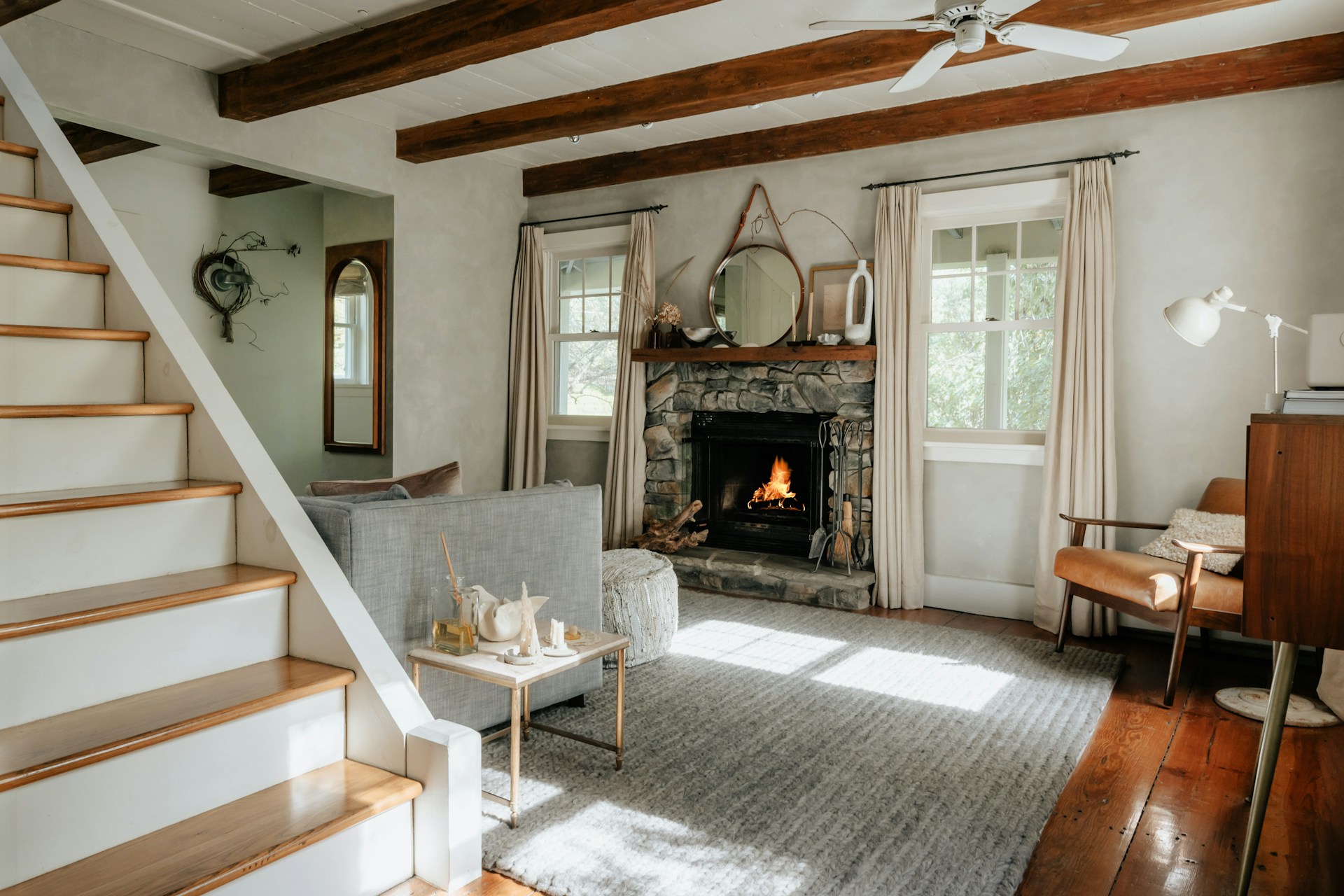
Your home should be a sanctuary where you can relax, recharge, and feel at ease. A healthy home is about more than appearance; it can also support your physical and mental well-being. From the air you breathe to the space around you, small, intentional changes can make a meaningful difference without requiring an expensive overhaul.
Air Quality and Ventilation
We often worry about pollution outside, but the air inside our homes can be just as compromised. Dust, pet dander, volatile organic compounds (VOCs) from cleaning supplies and furniture, and cooking fumes can all build up indoors. Poor air quality can lead to allergies, asthma, and general fatigue. One of the easiest ways to fight this is through regular ventilation. Open your windows for at least 15 minutes each day, even when it’s cooler, to let fresh air circulate and push stale air out.
For a more consistent solution, think about getting a good air purifier with a HEPA filter, especially for bedrooms. Houseplants are also natural air purifiers; varieties like snake plants, spider plants, and peace lilies are great at filtering common toxins. Taking these steps to improve indoor air quality is a fundamental part of creating a healthier living space.
Decluttering for Wellness
The state of our physical space often reflects our mental state. A cluttered, disorganized home can make us feel stressed, anxious, and overwhelmed. Decluttering isn’t just about tidying up; it’s about creating a calmer, more functional environment that supports your well-being. Start small so you don’t feel defeated. Pick one drawer, one shelf, or one small corner of a room to tackle. Try the “four-box method”: set up boxes for items to keep, donate, throw away, or relocate.
This process helps you thoughtfully decide what you truly need and love. As you clear out physical clutter, you’ll probably find your mind feels clearer, too. Organizing your home is just one of many strategies for a healthy home that can transform how you feel in your space. Once you’ve decluttered, creating designated “homes” for everything makes it much easier to keep things in order.
Structural Health and Safety
A healthy home starts with a safe, well-maintained structure. Regularly check the roof, walls, and foundation for cracks, leaks, or wear, and test smoke and carbon monoxide detectors monthly.
Wildlife can also damage your home by chewing wires, tearing insulation, and creating entry points. If you notice signs of animals, prompt action is important. Professionals offering humane wildlife removal and animal exclusion services can remove the animals, repair damage, and seal entry points to prevent future problems.
Managing Moisture and Pests
Moisture is one of the biggest threats to a healthy home environment. Too much humidity and leaks can lead to mold and mildew growth, which release spores into the air and can cause respiratory problems and allergic reactions. High moisture levels also create an inviting environment for common pests like dust mites, cockroaches, and silverfish. Be proactive about moisture control by fixing any plumbing leaks immediately, no matter how small.
Use exhaust fans in bathrooms and kitchens to vent steam and humidity outside. In damp areas like basements or crawl spaces, a dehumidifier can make a huge difference. Make sure your gutters are clean and that rainwater drains away from your foundation. By keeping your home dry, you make it a much less hospitable place for both mold and unwanted critters.
Long-Term Home Maintenance
Maintaining a healthy home is an ongoing process, not a one-time project. Thinking of home maintenance as a form of self-care can change your perspective, turning it from a chore into an investment in your well-being. Create a simple, seasonal checklist to stay on top of key tasks. For example, in the spring, you might clean your windows and check your air conditioning filters. In the fall, you could have your heating system serviced and clear your gutters. Regular, small actions prevent the stress and expense of emergency repairs and ensure your home remains a safe and comfortable haven for years to come.
Taking ownership of your home’s health empowers you to create an environment that truly nurtures you. Paying attention to these key areas helps you build a space that not only looks good but feels good, too.







Comments are closed.