
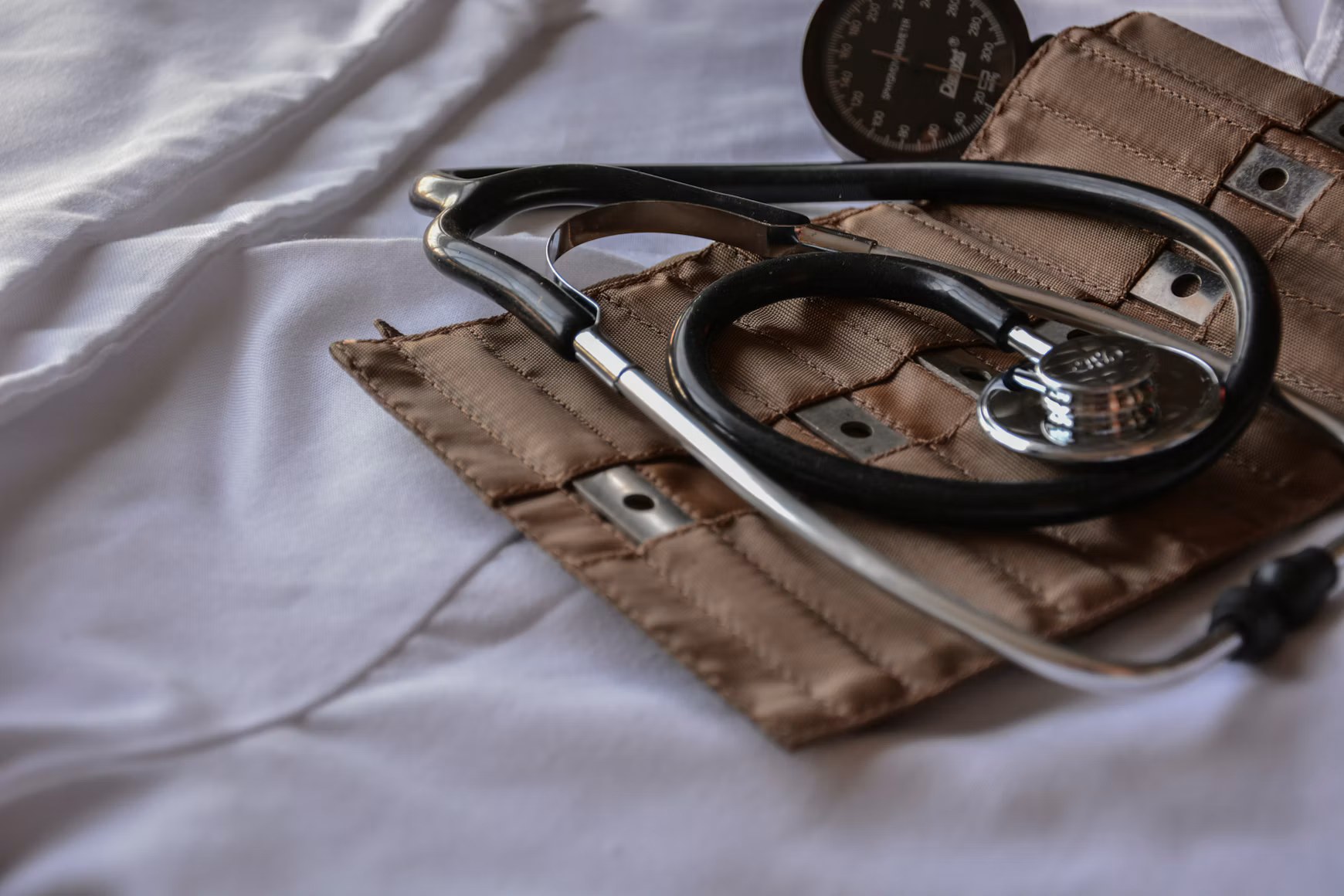
A long trip can put extra pressure on your health, especially when flights, unfamiliar food and changing routines are involved. A pre-travel health checklist helps you prepare for common problems before departure and gives you clear options if you feel unwell away from home. Start several weeks ahead, since some immunizations take time to work and prescription arrangements may require approval from your doctor or insurer.
Map Out Required Immunizations Early
Book a medical appointment at least six to eight weeks before departure. Your doctor can review your destination, trip length, planned activities and vaccination history. Some immunizations require several doses, while others may be recommended only for particular regions or seasons. The travel health checklist from the National Foundation for Infectious Diseases offers a useful starting point for this discussion.
Bring your itinerary and immunization records to the appointment. Travelers in Mackay can speak with a GP Mackay about travel vaccines and general health needs. Ask about routine immunizations too, since an overseas trip is a good prompt to check whether standard boosters are current. Keep a digital copy of your records alongside your passport documents.
Pack a Thoughtful Medical Kit
Build your medical kit around your health needs, destination and access to local pharmacies. The CDC’s smart packing guidance recommends carrying enough regular medicine for the trip, along with extra supplies in case delays extend your stay.
Useful basics may include adhesive bandages, antiseptic wipes, oral rehydration salts, a thermometer and any over-the-counter products you already use safely. Add insect repellent or sunscreen when conditions call for them. Keep medicines in their original labeled packaging and place key items in your carry-on bag, where they remain available if checked luggage is delayed. Before packing pain relief, allergy tablets or stomach remedies, ask a pharmacist about possible interactions with your prescriptions.
Manage Prescriptions Across Time Zones
Request prescription refills early and confirm that you’ll have enough medicine for the entire trip plus a small delay buffer. Ask your doctor for a medication list showing generic names, doses and the reason each medicine is used. Generic names are useful because brand names often differ between countries.
For time-sensitive medication, discuss a schedule before flying. A phone alarm can help, but changing time zones may affect when a dose should be taken. For example, a medicine taken every 12 hours needs a different plan from one taken once each morning. Never double a dose to correct a scheduling mistake unless a qualified health professional tells you to do so. Check destination rules too, as some prescription medicines require supporting documents or prior approval.
Stay Hydrated and Rested on Flights
Drink water regularly during long flights and keep a refillable bottle handy after airport security. Cabin air is dry, so small, frequent drinks are often easier than trying to catch up after landing. Eat familiar, balanced meals when possible and avoid relying on salty snacks throughout the flight.
Light movement can also make a long journey more comfortable. Stand, stretch and walk along the aisle when it’s safe, particularly on flights lasting several hours. Loose clothing and an adjustable neck pillow may help you rest. Once you arrive, use daylight and local meal times to settle into the new time zone. Seek medical advice before travel if you have circulation concerns, recent surgery, pregnancy or another condition that may affect long-distance flying.
Keep your health documents, regular medication and a small supply of essentials together in your carry-on. If a delay changes your plans, that single packed pouch can prevent a minor disruption from becoming a medical problem.






Comments are closed.